
Cache AI®

Reduce LLM cost & latency
by up to
00%

Enterprise AI infrastructure 
for repeated LLM workflows

Cache AI reuses internal states
to eliminate redundant LLM inference,
enabling faster and lower-cost AI workflows.

How Cache AI Works

"Same Query, Different Cost"

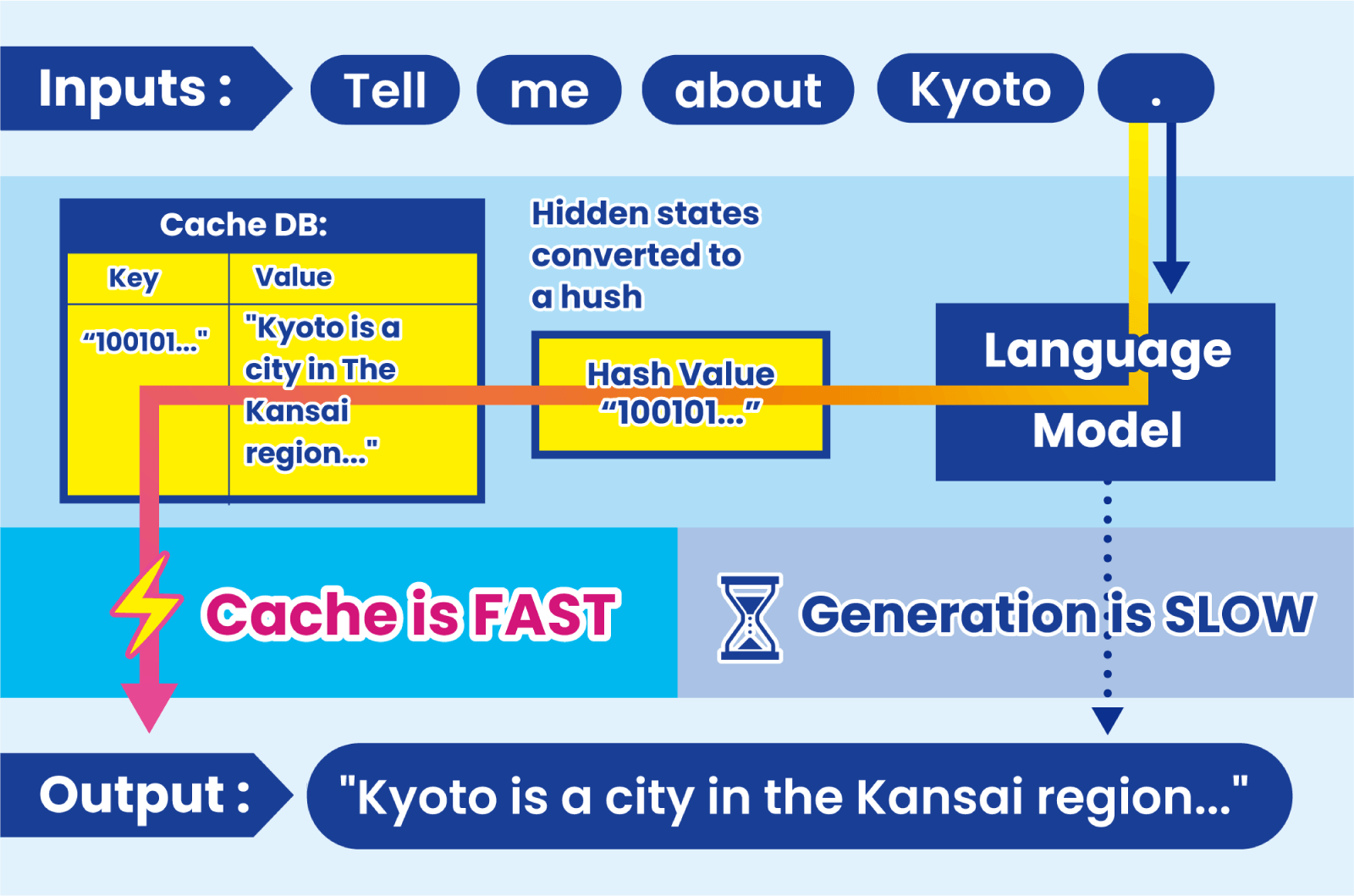
When you ask an LLM a question for the first time, it takes 7.2 seconds as the LLM generates an answer and Cache AI stores the result.

When you ask a semantically similar question again, the answer is returned in 0.0022 seconds from cache —without a GPU call.

Actual performance depends on workload characteristics; similar patterns are commonly observed in enterprise support and agent workflows.

Deployment Architecture

Cache AI is deployed as an enterprise middleware positioned between applications and the LLM inference stack, running inside the client environment.

It intercepts inference requests, performs semantic cache lookup using intermediate representations, and returns cached responses when applicable. On a cache miss, requests are forwarded to the client's LLM inference stack without modification.

Cache AI does not modify the LLM. The architecture integrates with existing LLM infrastructures while maintaining clear responsibility boundaries and operational safety.

Enterprise prompts and operational data processed through Cache AI are not used to train external foundation models.

Deployment Architecture

USE CASES

Understand where Cache AI creates the strongest value.

Where Cache AI Fits Best →

Customer Support & Helpdesk

Reduce repeated LLM computation across similar support queries.
High cache hit rates in ticket classification, response drafting, and knowledge-grounded Q&A significantly lower cost and latency.
Why this works: Support workflows naturally contain recurring semantic patterns.
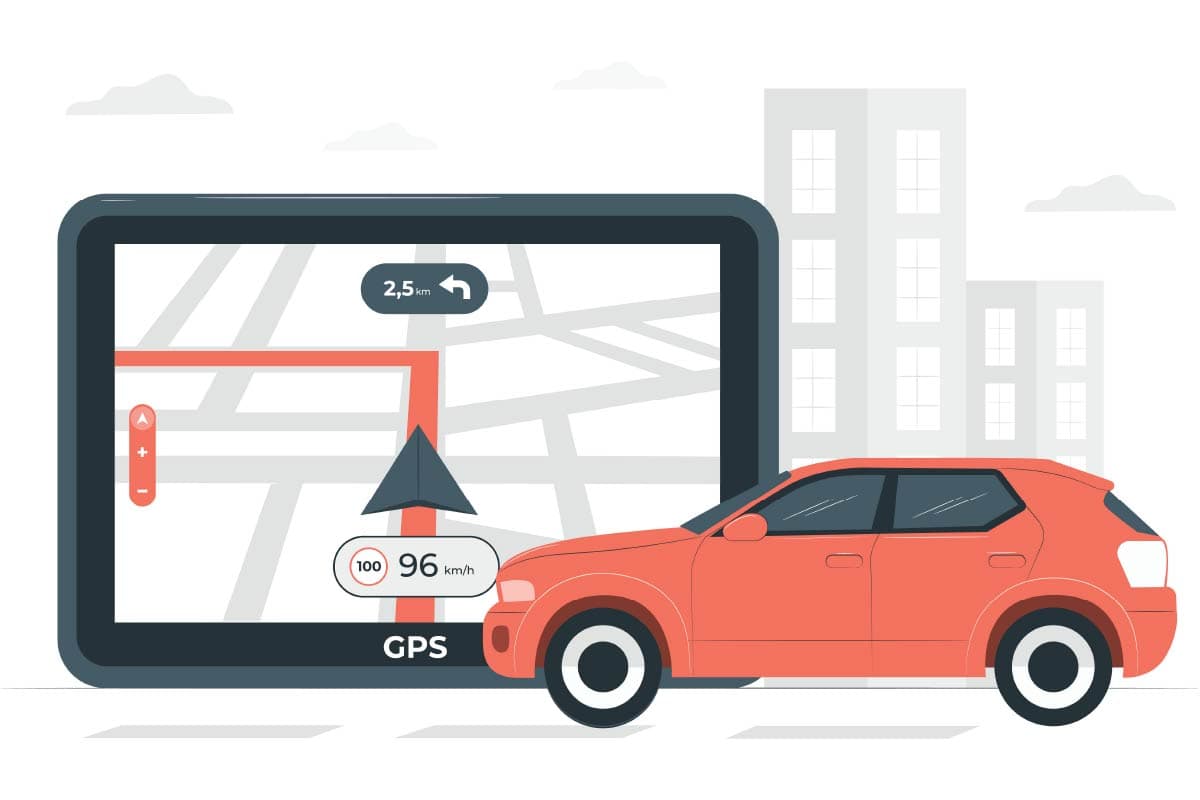

Autonomous Driving & In-Vehicle AI

Reduce repeated LLM computation across similar in-vehicle voice interactions.
High cache hit rates in navigation, driver assistance, and Human-Machine Interface (HMI) queries can significantly lower cost and latency.
Why this works: In-vehicle AI systems naturally contain recurring semantic patterns.
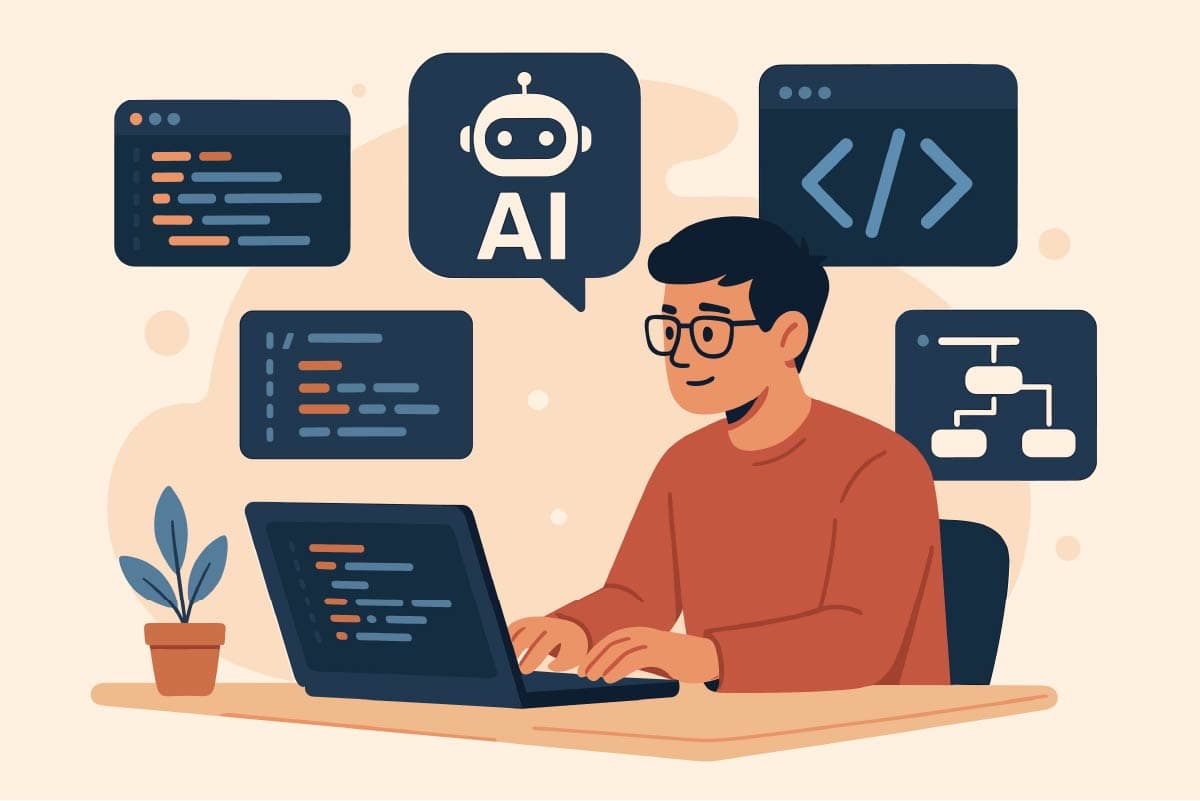
Internal Knowledge & Enterprise AI Assistants

Optimize internal Q&A systems where similar questions are asked across teams and departments.
Cache AI reduces redundant inference while preserving model behavior.
Why this works: Support workflows naturally contain recurring semantic patterns.

Agent Workflows / Coding Agents

Accelerate multi-step agent pipelines where intermediate reasoning states are repeatedly recomputed.
Cache AI enables substantial savings without changing agent logic.

Deployment and Optimization Process

Phase 1Workload Assessment
Connect target workloads and analyze inference patterns, latency, and operational requirements.
Phase 2Optimization Deployment
Enable Cache AI and validate performance, operational stability, and deployment compatibility.
Phase 3Production Rollout
Expand deployment scope and support operational rollout for production environments.

Interested in evaluating Cache AI
on your workloads?

Contact Us

Our Locations

Kyoto, Osaka, Tokyo, Dubai, Palo Alto
Patented
Japan United States European Union Switzerland England Australia Canada Ireland

Patent and trademark protections in multiple jurisdictions